Pop Culture Trend: “Routines as Identity”—How Morning/Evening Skincare Became a Flex
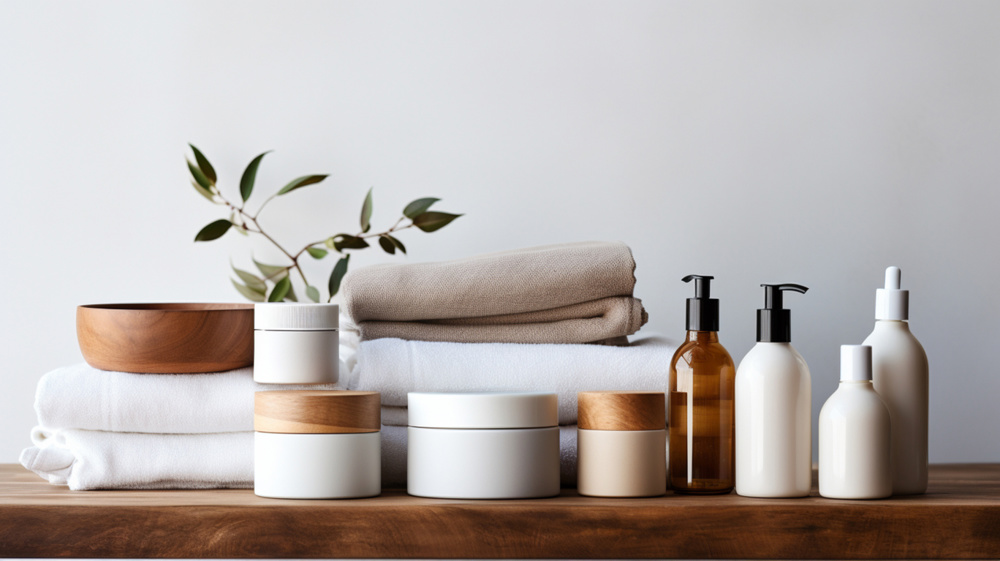
Skincare used to be simple. You washed your face, applied moisturizer if you had it, and moved on with your day. It was a quiet, functional habit—something done in private, without much thought or visibility. There was no expectation to optimize it, document it, or turn it into something meaningful beyond basic care.
Today, that same routine carries a completely different weight. It’s visible, shareable, and increasingly interpreted as a reflection of who you are. What you use, how you use it, and how consistently you maintain it all signal something—discipline, awareness, taste, even values. The bathroom mirror is no longer the only audience. This transformation didn’t happen overnight. It emerged from a broader cultural shift where everyday habits became part of identity.
How Skincare Routines Stopped Being Hygiene and Started Being Identity
For decades, skincare was treated as maintenance—something you did to prevent problems or address them when they appeared. It existed alongside hygiene, not identity. But over time, that perception began to change, especially as people started connecting routines to culture, heritage, and personal care practices passed down through generations.
For many, skincare was never just about the surface. It was tied to family traditions, to specific ingredients, to rituals learned and repeated over time. What has changed is not the existence of these meanings, but their visibility and intentionality. Skincare has moved from something quietly inherited to something actively chosen and expressed.
Now, routines carry messages. Choosing certain products or approaches reflects priorities—whether that’s sustainability, ingredient transparency, or cultural alignment. The act itself remains familiar, but the meaning behind it has expanded, turning skincare into a reflection of identity rather than just upkeep.
Social Media Turned the Skincare Routine Into a Status Symbol
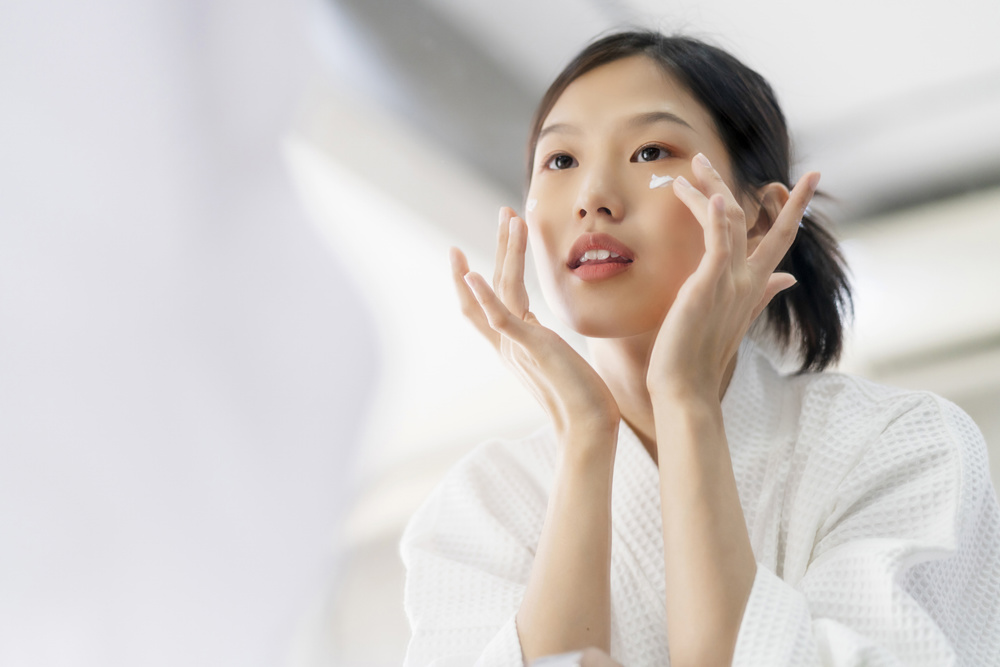
The shift from private to public is what truly transformed skincare. Social media platforms turned routines into content, giving people a space to share what had once been invisible. A simple act—washing your face—became something that could be filmed, edited, and presented to an audience.
This didn’t just increase visibility; it introduced performance. A skincare routine shown online is rarely random. It’s structured, paced, and often aesthetic. Products are arranged deliberately, lighting is controlled, and steps are clearly defined. The routine becomes something crafted, not just carried out.
That doesn’t make it inauthentic—but it does make it communicative. Posting a routine is a form of self-presentation, where each step and product choice contributes to a narrative. Skincare becomes something you don’t just do for yourself, but something you show, shaping how others perceive you.
Check out MrPopCulture.com and learn more about pop culture trends in skincare.
What Your Morning Routine Says About You vs. Your Evening One
The products lining your bathroom shelf tell two different stories. Your morning routine signals how you face the world—lightweight, protected, defended. Your evening routine reveals how you recover from it—deeply, quietly, without performance. These aren't just routine variations; they're behavioral fingerprints.
| Dimension | Morning Routine | Evening Routine |
| Primary Focus | Protection + antioxidants + SPF | Repair + deep hydration + actives |
| Average Duration | 12.5 minutes | 13.8 minutes |
| Key Ingredients | Lightweight moisturizers, Vitamin C | Retinoids, peptides, night creams |
Routine personalization sharpens these differences further. Oily skin types unclog pores at night; dry skin types layer nourishing treatments. You're not just following steps—you're responding to what your skin actually needs at each end of the day.
This behavioral split mirrors a deeper biological reality: skin follows a 24-hour circadian rhythm that naturally shifts its priorities from environmental defense in the morning to cellular repair and collagen rebuilding at night.
Why Gen Z Turned Their Skincare Routine Into a Flex
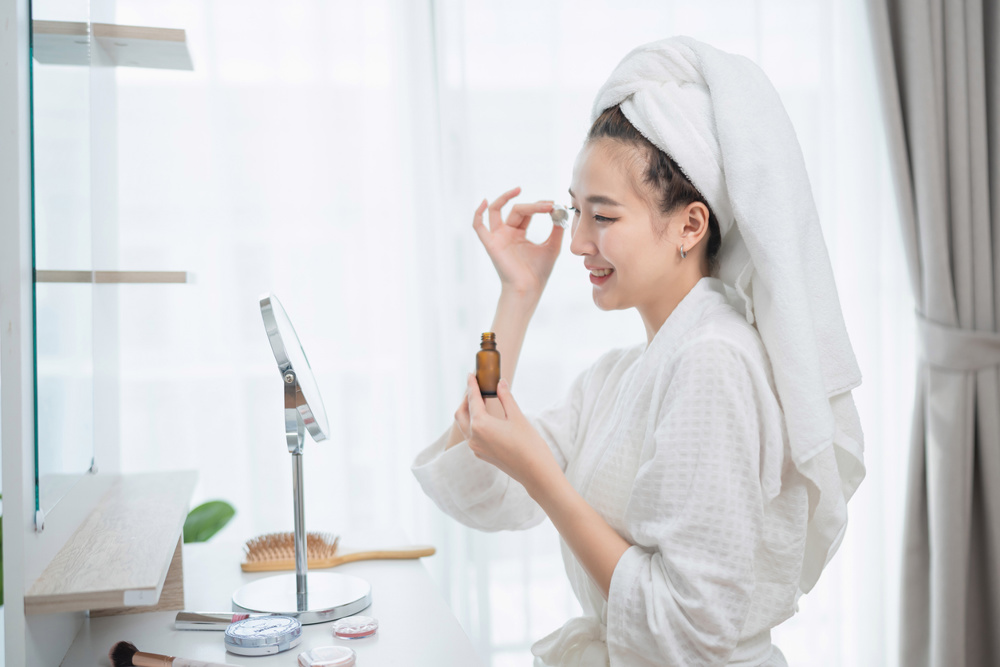
Gen Z has played a central role in redefining how skincare functions culturally. For this generation, consumption is closely tied to identity, and everyday choices are seen as reflections of deeper values. Products are no longer neutral—they’re expressive.
Skincare routines, in this context, become a way to communicate intention. Choosing certain ingredients, brands, or approaches signals awareness and thoughtfulness. A routine can suggest sustainability, emotional well-being, or long-term thinking, depending on how it’s constructed.
What makes this shift significant is not just the routine itself, but the meaning attached to it. A minimal routine can signal knowledge and control, while a more complex one can signal dedication and care. Either way, the value lies in intention. The routine becomes a flex not because of what it contains, but because of what it represents.
Why Posting Your Skincare Routine Online Is a Form of Self-Presentation
When you post your skincare routine online, you're not just sharing steps—you're crafting a public identity. 52% of Gen Z use beauty products to showcase personal identity, and hitting "post" extends that signal far beyond the bathroom mirror.
Your intrinsic skincare motivations—whether self-care, discipline, or aesthetic pride—become visible statements others interpret and respond to. Trends like #GRWM turn private rituals into performed narratives, where your product choices communicate values, taste, and even social awareness.
Evolving consumer preferences reflect this shift. 34% of consumers now view beauty routines as self-expression, not just maintenance. When you share your routine, you're participating in a broader cultural conversation. In fact, 47% of consumers actively seek beauty and grooming advice from friends, proving that these shared rituals carry real social weight.
How Brands Designed Skincare Products to Feel Like Rituals, Not Just Fixes
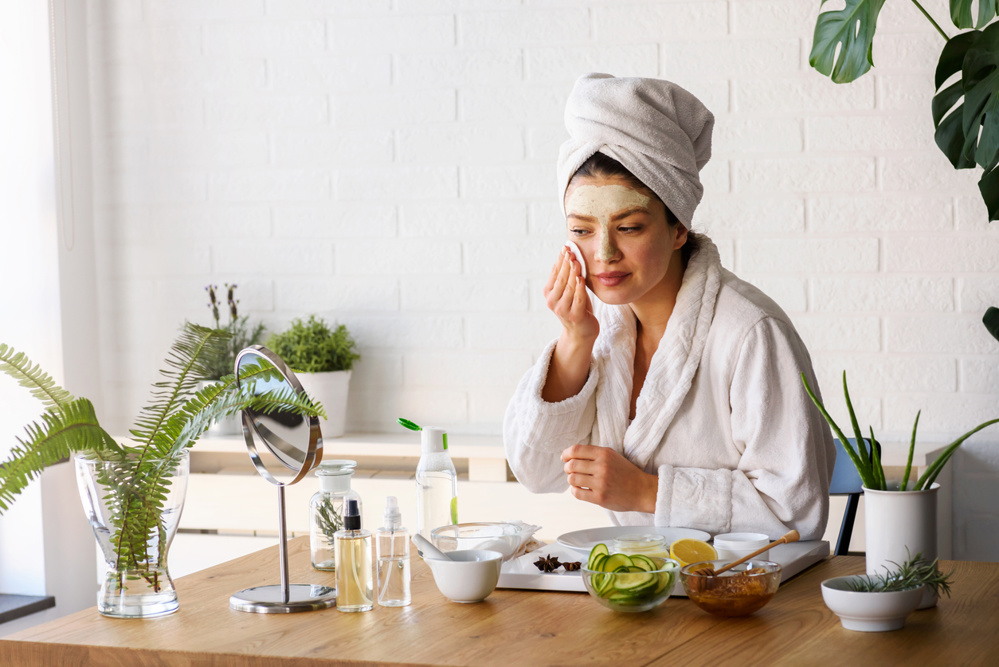
As skincare became more identity-driven, brands adapted their messaging. Instead of presenting products as solutions to problems, they began framing them as part of a larger experience. Language shifted from clinical descriptions to emotional narratives.
They replaced clinical language with poetry, transforming how you relate to your routine:
- "Oxygen for tired skin" replaced ingredient lists
- "The morning ritual" replaced basic how-to instructions
- Silk textures, essential oil scents, and elegant packaging created full sensory journeys
- Consultations became discovery moments, not transactions
- Scientists were reframed as artisans, not lab technicians
You weren't buying a moisturizer—you were curating an identity. Brands understood that slowing you down inside a deliberate, sensory-rich sequence made their products feel irreplaceable. Further embedding them into who you are, not just what you use. The packaging itself became part of the story, where minimalist design and premium finishes signaled that every detail was an act of quiet craftsmanship.
The Minimalist Skincare Routine Is the New Luxury Flex
Once, a 12-step routine signaled dedication—the more products on your shelf, the more seriously you took your skin. Now, restraint is the flex. Curated product offerings from brands like Rhode, Summer Fridays, and Beauty of Joseon dominate Instagram and TikTok precisely because they communicate something more valuable than excess: discernment.
Streamlined routines aren't about spending less—they're about knowing more. When you choose a moisturizer with built-in actives or a cleanser that repairs your barrier without stripping it, you're signaling intelligence, not deprivation. Dermatologists back this shift, confirming that fewer, better-chosen products outperform cluttered regimens.
Ingredient transparency has replaced packaging prestige as the new status marker. Your three-product routine doesn't say you can't afford more—it says you know you don't need to. Masstige skincare brands reflect this same consumer mindset, growing 14% and outpacing both mass and prestige categories as shoppers trade volume for value.
Performance vs. Authenticity: The Tension Behind the Trend
As skincare becomes more visible, a tension emerges between authenticity and performance. A routine can be both genuine and shaped by external expectations, especially when it’s shared online.
Social media encourages certain aesthetics—clean visuals, organized shelves, visually pleasing sequences. Over time, this can influence how routines are structured, even when the intention is personal care. What works well on camera doesn’t always align with what works best for the skin.
This creates a subtle shift. The routine can begin to prioritize how it looks over how it functions. It becomes something designed not just for results, but for presentation. That doesn’t erase its value, but it adds complexity to its purpose. Skincare, in this sense, exists in two spaces at once—personal and performative.
The Algorithm and the Standardization of Identity
The role of the algorithm adds another layer to this dynamic. Social platforms amplify certain types of content, rewarding visuals that are consistent, polished, and engaging. Over time, this shapes what routines look like.
Patterns begin to emerge. Similar products appear across different creators. Shelves are arranged in comparable ways. Even the pacing and structure of routines start to follow a recognizable format.
This creates a paradox. Skincare is presented as a form of individuality, yet it is often influenced by shared trends and platform-driven visibility. Identity is expressed, but within a framework shaped by algorithms. The result is a balance between personal expression and collective influence. What feels unique is often part of a larger pattern.
Building a Routine That Works Beyond the Aesthetic
Amid all the visibility and interpretation, the core purpose of skincare remains unchanged—it needs to work. A routine that looks good but doesn’t support skin health ultimately falls short of its purpose. Effectiveness comes from understanding. Knowing your skin type, choosing appropriate ingredients, and maintaining consistency matter more than complexity or presentation.
Results take time, and they depend on function rather than appearance. In many cases, simpler routines are more effective. They reduce irritation, improve consistency, and focus on long-term care rather than short-term trends. The challenge is not choosing between aesthetics and effectiveness, but balancing both. A routine can be expressive—but it should also be practical.
Conclusion
The rise of skincare as identity reflects a broader cultural shift. Everyday routines are no longer just habits—they’re expressions. What you do regularly becomes part of how you define yourself and how others understand you.
Skincare sits at the center of this shift. It is personal yet visible, functional yet symbolic. It can represent care, discipline, intention, or aesthetic preference, depending on how it is approached and shared. What makes this transformation significant is not the routine itself, but the meaning attached to it. A simple act has become layered with interpretation, shaped by culture, media, and technology.