Seasonal Skincare Calendar: How to Adjust Products for Winter, Summer, and Everything Between

Your skin doesn’t stay the same all year—and your skincare routine shouldn’t either. Changes in temperature, humidity, and sun exposure constantly affect how your skin behaves. What works perfectly in one season can become ineffective—or even irritating—in another. A rich moisturizer that protects your skin in winter may feel heavy and pore-clogging in summer, while lightweight products that suit hot weather may fail to provide enough hydration when the air turns dry.
Understanding this cycle is key. Seasonal skincare isn’t about constantly replacing your routine—it’s about adjusting it. Small, intentional changes in texture, ingredients, and frequency can help your skin stay balanced, resilient, and healthy throughout the year.
Why Your Skin Behaves Differently Each Season
Your skin is highly responsive to its environment. It adjusts oil production, hydration levels, and barrier strength depending on external conditions, which is why it can feel completely different from one season to the next.
In winter, cold air and indoor heating reduce humidity, pulling moisture from the skin and weakening its protective barrier. This often leads to dryness, flaking, and increased sensitivity. In contrast, summer heat stimulates oil production, and when combined with sweat, it can clog pores and trigger breakouts.
Spring and fall introduce more subtle but still important changes. Fluctuating temperatures, shifting humidity, and environmental factors like pollen can make skin more reactive. These transitions are often when skin feels the most unpredictable, requiring gradual adjustments rather than sudden changes.

Spring Skincare: Lighten Your Routine and Exfoliate
Spring is your cue to shed the heavy, protective layers your skin relied on all winter. As temperatures rise, swap creamy cleansers for gel-based or foaming formulas and replace rich moisturizers with lightweight, water-based alternatives. Introduce lighter textures gradually — every other day during the progression to lighter textures helps your skin adapt without irritation.
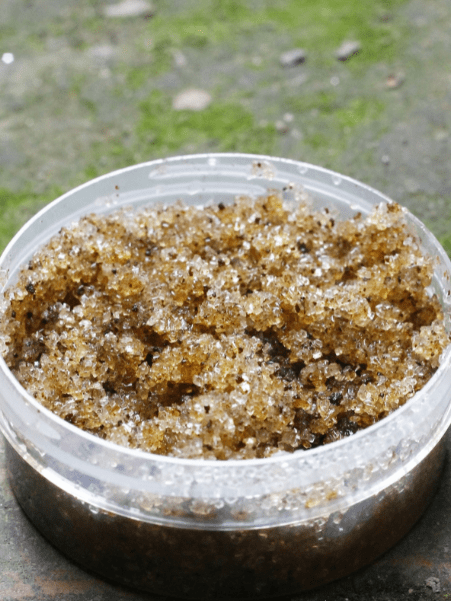
Hyaluronic acid or aloe-based serums deliver hydration without clogging pores. Exfoliation is equally essential now. Winter leaves behind dead skin cell buildup that dulls your complexion. Opt for enzyme-based exfoliants or gentle chemical options with lactic or glycolic acid to restore your glow without triggering post-winter sensitivity.
This sensorial experience of peeling back dull, dry layers reveals fresher skin underneath. Finish by reintroducing vitamin C serums at lower concentrations to rebuild your barrier against spring's rising UV exposure. As you update your routine, be mindful that retinol use can make your skin more sensitive to the sun, so reserve it for bedtime and always follow with sunscreen during the day.
Explore how to build your own seasonal calendar to stay consistent with your skincare routine.
How to Protect Your Skin From Summer Heat and Oil
Summer brings sweat, excess oil, and intensified UV exposure — so your skincare routine needs to work harder and smarter. Switch to gel-based sunscreen with SPF 30 or higher, as it controls shine without clogging pores. Apply it 20 minutes before heading outside and follow strict SPF reapplication reminders — reapply every two hours, especially after swimming or sweating.
Don't skip hydration boosting techniques just because it's hot. Lightweight, water-based moisturizers maintain your skin's barrier without heaviness. Post-sun exposure, reach for aloe vera or niacinamide-based products to reduce inflammation and repair damage.
Limit outdoor activity between 10 a.m. and 4 p.m., when UV rays peak. Pair sunscreen with wide-brimmed hats and UV-blocking sunglasses for complete, layered protection your skin actually needs. Don't forget commonly neglected areas like your ears, scalp, lips, and hands, as overlooked areas burn just as easily as the rest of your body.

Fall Is the Right Time to Reverse Summer Skin Damage
Fall acts as a recovery period after the stress of summer. Sun exposure, dehydration, and environmental buildup can leave skin uneven, textured, and more sensitive than usual.
This is the ideal time to focus on repair. Reintroducing active ingredients like retinoids and chemical exfoliants can help improve skin texture, fade discoloration, and stimulate renewal. Because sun exposure is less intense, these treatments can be used more effectively with lower risk of irritation.
At the same time, hydration needs begin to increase again. Transitioning back to richer moisturizers helps rebuild the skin barrier and prepare it for colder months. Fall is less about maintenance and more about correction—addressing what summer left behind.
Winter Skincare Keeps Your Moisture Barrier Intact
Winter is your moisture barrier's biggest test. Cold temperatures, low humidity, and indoor heating all accelerate moisture loss, leaving skin tight, dull, and reactive. Harsh winds strip natural oils, increasing sensitivity and compromising resilience.
Seasonal sensitivity adjustments start with swapping foaming cleansers for gentle, non-foaming formulas that preserve your barrier rather than weaken it. For barrier repair fortification, switch to richer creams packed with ceramides, fatty acids, and occlusives. Apply them immediately after patting damp skin dry to lock in hydration. Add a niacinamide serum to calm and rebuild compromised skin.
Back this up with lifestyle changes: run a humidifier, keep showers lukewarm, scale back harsh exfoliants and retinoids, and protect exposed skin with scarves and gloves. If dryness, redness, or irritation persists despite consistent care, seek professional help for customized treatments and professional-strength solutions. Consistency carries your barrier through the season intact.
Which Seasons Require the Biggest Skincare Adjustments
While winter demands the most intensive barrier care, every season brings its own set of skincare challenges—some requiring far bigger adjustments than others. Winter and summer sit at opposite extremes, making them the most demanding seasons for seasonal product adjustments.
Winter's cold, dry air accelerates seasonal moisture loss, forcing you to overhaul your routine with richer moisturizers and fewer actives. Summer flips that entirely—heat spikes oil production, clogs pores, and increases UV damage, pushing you toward lightweight, SPF-forward products.
Spring and autumn act as connective stages, but don't underestimate them; shifting humidity levels still disrupt your barrier considerably. Your best strategy is tuning into your skin's signals—tightness, oiliness, or flaking—and adjusting gradually before each season fully settles in. Sebaceous glands operate on seasonal schedules, naturally adjusting oil production in response to environmental shifts. This is why your skin's behavior can feel so unpredictable during these transitional periods.
Skincare Ingredients That Perform Across Every Season
Regardless of how drastically your routine shifts between seasons, certain ingredients anchor every effective skincare regimen year-round. Hyaluronic acid and glycerin consistently attract and retain moisture, while ceramides reinforce your barrier against environmental stress in any climate.
Squalane delivers lightweight hydration and antioxidant protection across seasons without clogging pores or feeling heavy on your skin. These key multifunctional ingredients work together seamlessly. Niacinamide balances oil production while strengthening your barrier, and panthenol supports healing and moisture retention regardless of temperature changes.
Vitamin C derivatives and vitamin E maintain antioxidant defense and brightness year-round when properly formulated. Stabilized vitamin C derivatives offer these brightening and antioxidant benefits with less sensitivity compared to pure ascorbic acid, making them a practical choice for a wider range of skin types. Rather than overhauling your entire routine each season, build your regimen around these reliable ingredients. They adapt to your skin's shifting needs without losing effectiveness.
Building a Month-to-Month Routine That Adapts
Seasonal skincare doesn’t require a complete overhaul every few months. Instead, it benefits from gradual, thoughtful adjustments that reflect ongoing environmental changes.
During colder months, focusing on hydration and barrier repair ensures your skin remains resilient. As temperatures rise, reducing product weight and increasing sun protection helps maintain balance. Transitional months allow for fine-tuning—adjusting exfoliation frequency, introducing or pausing active ingredients, and responding to subtle changes in skin behavior.
Consistency remains the most important factor. A routine that evolves with the seasons, rather than reacting abruptly to them, supports long-term skin health. Paying attention to how your skin responds over time allows you to make informed adjustments that keep it stable and comfortable.
How Lifestyle Changes Affect Your Skin Each Season
Skincare isn’t only about products—your daily habits shift with the seasons, and your skin responds to those changes just as much. Diet, sleep, hydration, and even time spent outdoors can influence how your skin behaves throughout the year.
In colder months, people tend to drink less water and spend more time indoors, often in dry, heated environments. This can contribute to dehydration and dullness. In summer, increased sun exposure, sweating, and outdoor activity can lead to irritation, clogged pores, and uneven skin tone if not properly managed.
Recognizing these patterns helps you support your skin more effectively. Adjusting your routine isn’t just about switching products—it’s about aligning your skincare with how your lifestyle changes across the seasons. When both work together, maintaining healthy skin becomes much easier.
Conclusion
Your skin is not static—it responds, adapts, and changes with its environment. A seasonal skincare approach recognizes this, allowing your routine to evolve instead of remaining fixed. Rather than following a single set of products year-round, adjusting textures, ingredients, and frequency ensures your skin receives what it needs at the right time.
These changes don’t have to be drastic. Often, small shifts make the biggest difference. In the end, seasonal skincare is about awareness. When you understand how your skin reacts to its surroundings, you can support it more effectively—keeping it balanced, protected, and healthy through every season.