Surprising Facts About the Skin & Cosmetic Industry: Ingredients, Safety, Trends, and What Really Drives Beauty
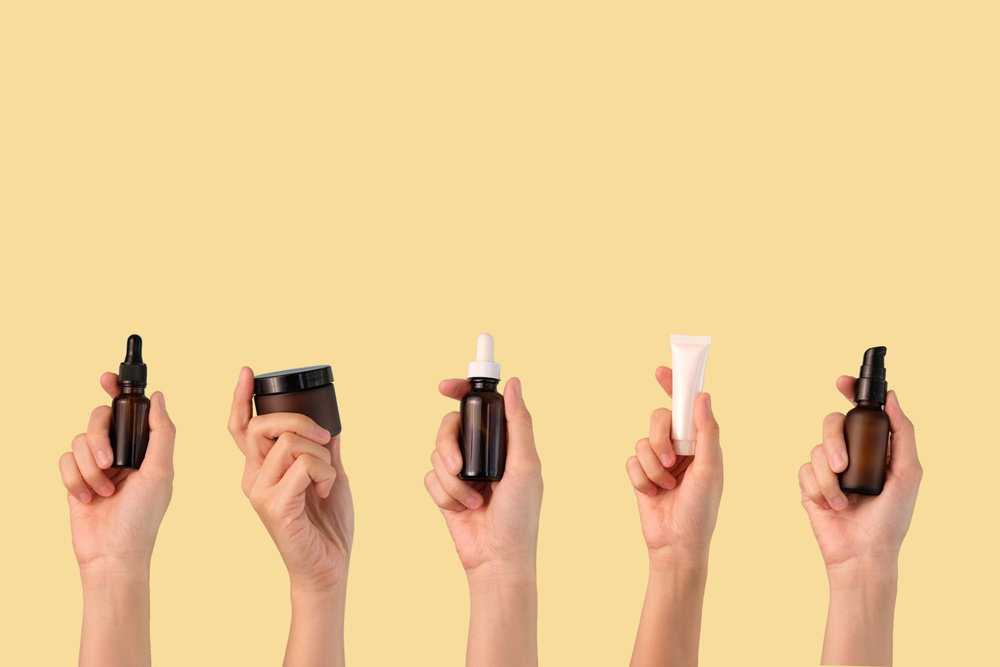
The skincare industry is worth over $122 billion—and growing rapidly. But behind those numbers is something far more complex than trend cycles or viral products. What drives this industry isn’t just demand for better skin—it’s a mix of science, culture, perception, and behavior.
Every product you use sits at the intersection of chemistry and storytelling. Ingredients like retinoids and niacinamide are backed by research and dermatologist support. Others rely more on marketing language than measurable results. To understand modern skincare, you have to look beneath the surface. It’s not just about what works—it’s about what people believe works, how they discover it, and why they trust it.
Skincare Is Now a $122 Billion Industry: Here's Why That Matters
The global skincare market is now worth $122 billion, and it's showing no signs of slowing down. Analysts project it'll reach $227 billion by 2034, growing at a 7.32% CAGR. That's not just impressive growth — it's a signal that market saturation isn't the threat many expected.
So why does this matter to you? Because the demand driving these numbers isn't random. Rising disposable incomes, urbanization, and a deeper awareness of dermatological health are pushing consumers toward premium offerings — products that deliver real results, not just promises.
Asia Pacific alone commands over 51% of market share, valued at $62.84 billion in 2025. This isn't a niche industry anymore. It's a global economic force reshaping how people invest in their health. Fueling much of this momentum is a powerful consumer shift toward natural and organic skincare products. Clean-label and environmentally friendly offerings emerged as primary growth drivers across every major market.
A Few Ingredients Do Most of the Work
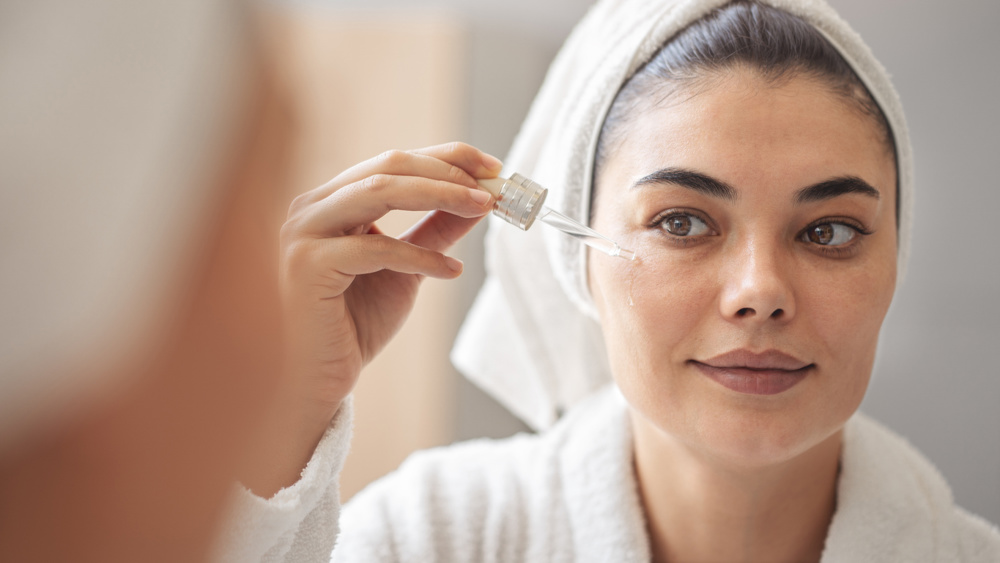
Despite the overwhelming number of products available, the effectiveness of most skincare routines comes down to a relatively small group of proven ingredients. These compounds form the foundation of modern skincare science, targeting specific concerns with measurable results.
- Retinoids remain one of the most widely recommended ingredients for improving texture, reducing acne, and supporting collagen production.
- Vitamin C plays a key role in brightening and protecting against environmental damage, while alpha hydroxy acids (AHAs) help remove dead skin cells and refine the skin’s surface.
- Niacinamide supports the skin barrier and regulates oil, and hyaluronic acid helps maintain hydration across different skin types.
Understanding these ingredients changes how you approach skincare. Instead of relying on brand claims or packaging, you can focus on what each product actually does. In many cases, different products deliver similar results because they rely on the same active components—just presented in different formulations.
How Safe Are Skincare Ingredients, Really?
While the ingredient list on your moisturizer may look harmless, safety concerns are real — and growing. Ingredient safety profiles vary widely, and emerging toxicology concerns around phthalates, PFAS, and parabens demand your attention. Regulatory bodies like the CIR publish open safety evaluations, but gaps remain — particularly for sunscreens, baby wipes, and vulnerable groups like children.
Consider these documented risks:
- Phthalates in lotions and hair products elevate harmful chemical levels in children's urine, with effects varying by sex and ethnicity.
- Fragrances and preservatives drive 36% of acne cases and 27% of redness reactions.
- Multiple products use compound exposure, drastically increasing adverse effect likelihood.
Frequency and duration of use matter — the more you layer, the greater your risk. A 2024 study published in Environmental Health Perspectives found that non-Hispanic Black children exhibited the highest levels of phthalates and phthalate-replacement chemicals in their urine. It highlights stark racial disparities in exposure risk.
Labels Can Be Misleading
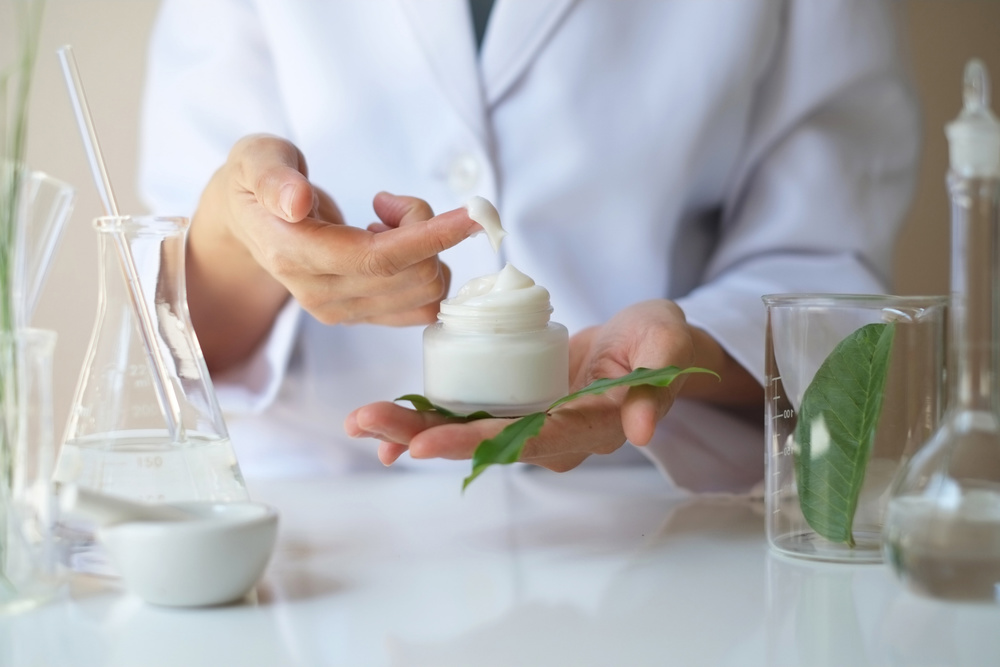
Terms like “natural” and “organic” often create a sense of safety, but they are not as clearly defined as they seem. In many cases, these labels are not strictly regulated, which means their meaning can vary significantly between products.
A product labeled “organic” may only contain a percentage of certified organic ingredients, while the rest of the formulation remains conventional. “Natural,” meanwhile, has no consistent legal definition in many regions, allowing brands to use it broadly without standardized criteria.
This creates confusion for consumers. Labels can suggest purity or safety without guaranteeing either. Understanding ingredient lists and certification standards is often more reliable than relying on marketing terms alone.
Dermatology vs. Social Influence: Who Do You Trust?
There is a growing gap between expertise and attention in skincare. Dermatologists remain the most reliable source of scientific knowledge, yet influencers often shape purchasing decisions more directly.
This is largely due to accessibility. Influencers provide constant, relatable content that fits seamlessly into daily browsing habits. They demonstrate products visually, share personal experiences, and respond to trends in real time. Dermatologists, while authoritative, are less present in these spaces.
As a result, trust becomes layered. Consumers may recognize the expertise of professionals but still rely on influencers for practical guidance. This doesn’t necessarily undermine science, but it does change how information is received and prioritized.
Why the Skincare Industry Is Retiring "Anti-Aging"
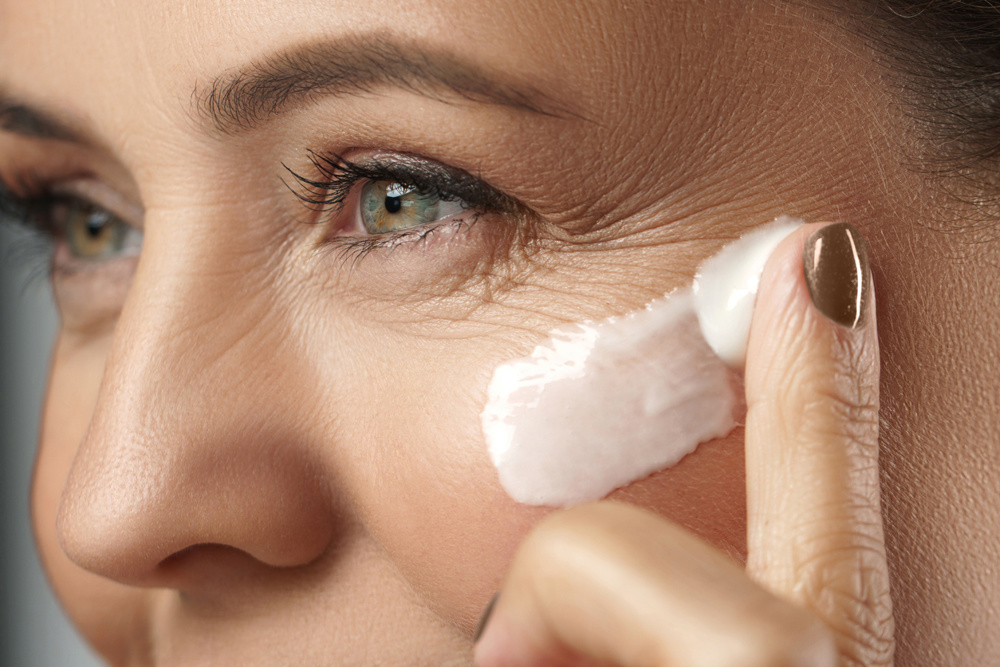
The skincare industry is quietly dropping "anti-aging" from its vocabulary — and the shift runs deeper than marketing. You're watching a fundamental shift from aesthetics to biology, where brands now prioritize cellular repair over wrinkle correction.
Harsh retinoids and aggressive peels are losing ground to regenerative ingredients like exosomes, peptides, and PDRN. Individualized longevity approaches are replacing one-size-fits-all fixes, targeting your skin's microbiome, barrier function, and cellular turnover long-term.
| Approach | Old Mindset | New Mindset |
| Goal | Fight aging signs | Build skin resilience |
| Method | Peel, freeze, purge | Regenerate, repair, protect |
| Timeline | Quick fixes | Long-term optimization |
Estée Lauder and L'Oréal now invest in longevity science — proof this isn't trend-chasing; it's industry-wide transformation. Aggressive anti-aging methods are actively losing relevance as consumers shift their expectations toward science-backed formulations built for lasting skin health.
Why More Consumers Are Choosing Skin Treatments Over Products
Skincare is shifting from passive routines to active results — and consumers are leading that charge. You're no longer satisfied with generic moisturizers — you want targeted skincare treatments that deliver measurable change. The efficacy of at-home devices has fueled this shift, with 26% of adults performing treatments monthly at home versus only 12% visiting spas.
Three reasons this trend keeps accelerating:
- Speed — 35.8% notice improvements within one month of consistent treatment
- Accessibility — at-home adoption outpaces spa visits due to convenience
- Precision — consumers favor specific targeting over broad, passive routines
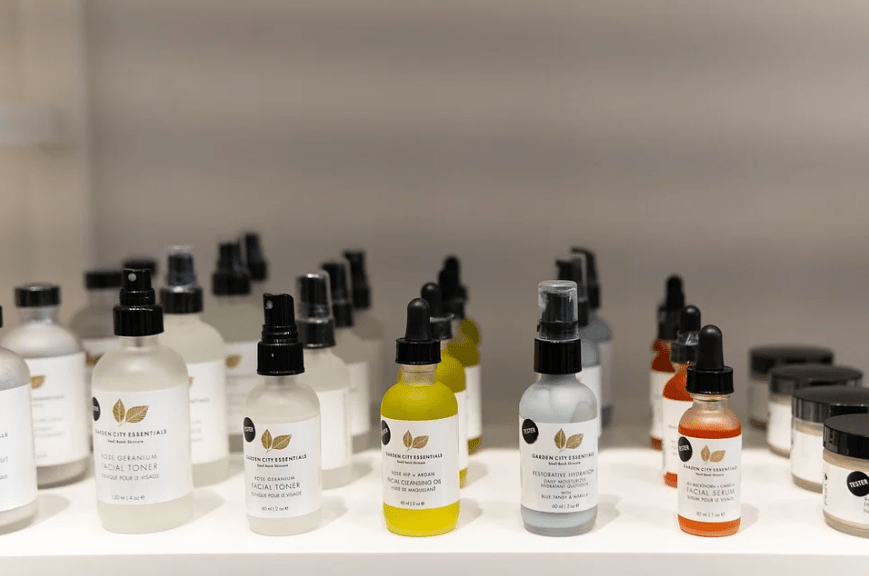
You're investing smarter, spending nearly three months evaluating what truly works before committing — proof that results, not marketing, now drive your decisions. Serums and toners have emerged as the fastest-growing products in the skin care category, reflecting exactly this demand for precise, treatment-oriented solutions over traditional, passive alternatives.
Take a quick tour of knowledge with these fun skincare facts.
K-Beauty, Dupes, and the Rise of Affordable Skincare
As your skincare standards rise, so does the global market catering to them — and few forces are reshaping that market more aggressively than K-Beauty. Projections place the industry between $20 billion and $34 billion by 2033, with K-beauty brand diversification pushing exports to 202 countries.
Consumers are gravitating toward affordable skincare formulations that replicate high-end K-Beauty results without the premium price tag. Dupes mimicking sheet masks, ampoules, and multi-step routines are democratizing glass skin rituals globally. North America leads this shift, capturing over 34% of market share, fueled by TikTok and Instagram.
AI-driven personalization and clean beauty ingredients are accelerating this further, making sophisticated skincare genuinely attainable for broader audiences. The market is projected to expand at a CAGR of 10.6% between 2026 and 2033, reflecting how deeply embedded K-Beauty has become in global consumer spending habits.
AI Is Now Diagnosing Your Skin: Here's How It Works
What was once confined to a dermatologist's office is now sitting in your pocket. Remote skin diagnosis tools use deep learning, UV imaging, and multi-dimensional analysis to detect 58+ conditions — including early melanoma — in under a minute.
Models like PanDerm, trained on 2 million images, outperform clinicians by 10%+ in melanoma identification. UV photography and cross-polarized light expose pigment changes, redness, and sensitivity you can't see. Weekly self-exams monitor aging trends, hair follicle density, and treatment progress objectively. You're no longer waiting for an appointment to understand what your skin needs.
Social Media Is the Real Marketplace
Perhaps the most significant force shaping the industry today is social media. Platforms like TikTok and Instagram function not just as sources of inspiration, but as direct drivers of purchasing behavior.
Content and commerce are now closely linked. A viral video can lead to immediate demand, turning a product into a bestseller overnight. The line between recommendation and advertisement becomes less clear, as both operate within the same space.
This environment changes how consumers interact with skincare. Purchasing decisions are often influenced by visibility rather than necessity, and trends can shift rapidly based on engagement. Social media doesn’t just reflect the market—it actively creates it.
Conclusion
The skincare industry is not just about products—it’s about systems. Science, culture, technology, and media all interact to shape how people understand and engage with skincare. Ingredients matter, but so does perception. Safety matters, but so does communication. Trends matter, but so does access to information.
What drives the industry is not a single factor, but the combination of all these elements working together. Understanding this complexity helps you make better decisions. It allows you to move beyond marketing claims and focus on what actually works for your skin. In the end, skincare is both personal and cultural.