Austin’s Outdoor Fitness Scene and Recovery Advice
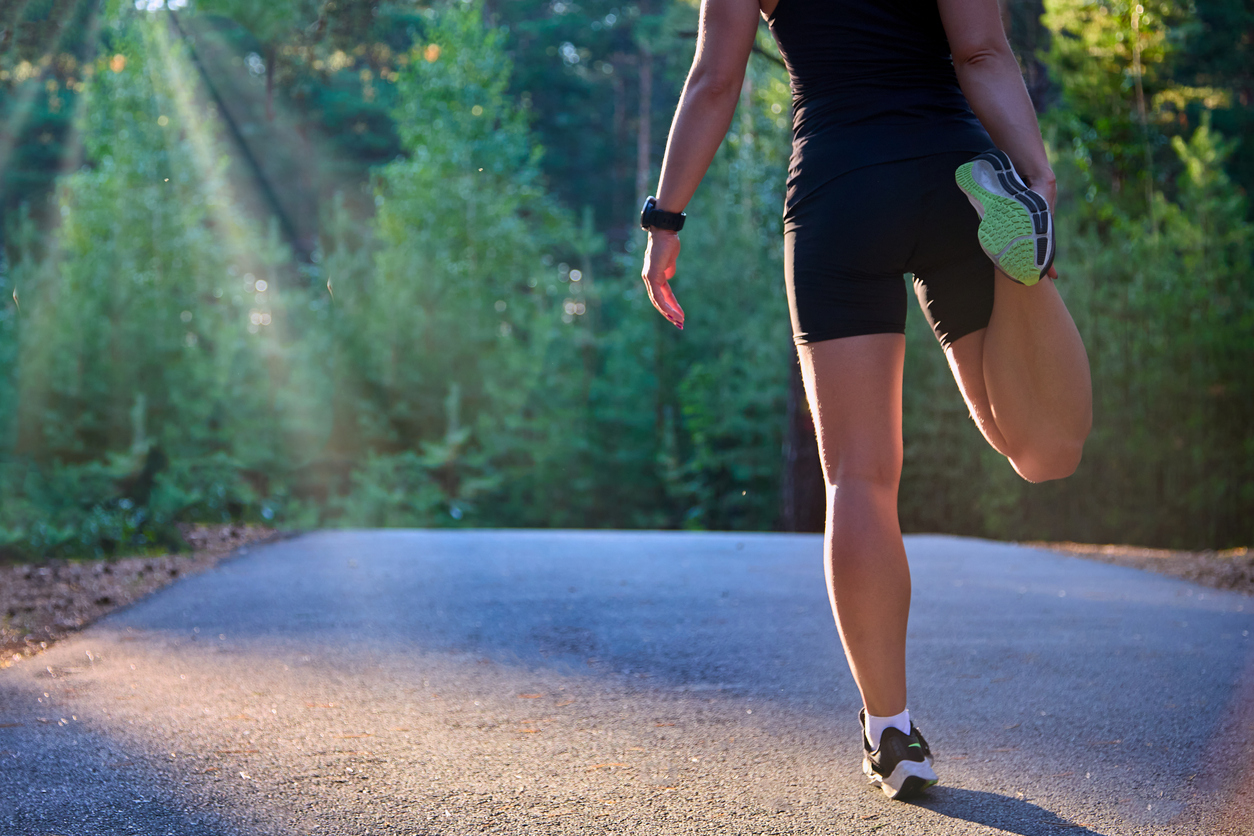
Austin has developed a strong reputation as one of Texas’s most active cities, where parks, trails, lakes, and community fitness groups make outdoor training part of everyday life. Runners circle Lady Bird Lake at sunrise, cyclists head toward the Hill Country, and group workouts gather in city parks throughout the week.
The city’s extensive trail network includes routes like the Ann and Roy Butler Hike-and-Bike Trail at Lady Bird Lake, the Barton Creek Greenbelt, and regional paths such as the Southern Walnut Creek Trail. Combined with Austin’s warm climate and strong fitness community, these locations allow residents and visitors to train outdoors year-round.
The sections below highlight where people train outdoors in Austin and how athletes recover safely when exercising in Central Texas heat.
Austin’s Best Running and Cycling Trails by Difficulty Level
Austin’s park system offers routes suited to runners, walkers, and cyclists of all fitness levels.
Beginner-friendly trails include the Ann and Roy Butler Hike-and-Bike Trail, a roughly 10-mile loop surrounding Lady Bird Lake. Its mostly flat terrain and scenic skyline views make it one of the most popular running routes in the city.
For intermediate runners and cyclists, the Southern Walnut Creek Trail provides more than seven miles of paved path through wooded areas in east Austin. Walnut Creek Metropolitan Park also offers trail networks with a mix of pavement and natural terrain.
Athletes seeking more challenging routes often train at the Barton Creek Greenbelt, where rugged limestone trails and creek crossings create a demanding environment for trail runners and hikers. A well-known training route nearby is the Hill of Life, a steep hill frequently used for hill repeats by local runners.
Many Austin trails are multi-use, so runners and cyclists are encouraged to follow basic etiquette such as announcing passes and yielding when necessary.
Hill Country Training Destinations Near Austin
While Austin offers extensive urban trails, many athletes travel to nearby Texas Hill Country parks for longer trail runs, hikes, and endurance training.
One of the most popular destinations is Pedernales Falls State Park, located about an hour west of Austin. The park features miles of hiking and running trails along the Pedernales River, with rocky terrain and elevation changes that challenge experienced runners and hikers.
Another well-known training location is Government Canyon State Natural Area near San Antonio. This large protected area includes more than 40 miles of trails, making it a favorite destination for long trail runs and endurance hikes.
These parks allow athletes to experience more rugged terrain and longer routes than most urban trails while still remaining within day-trip distance of Austin.
Outdoor Fitness Courts and Calisthenics Parks Across Austin
Austin has increasingly added outdoor fitness equipment and exercise stations in parks across the city, allowing residents to complete strength workouts without a traditional gym membership.
Locations with public fitness equipment include Butler Shores near Lady Bird Lake, Mueller Lake Park, and Lake Kyle Park in nearby Hays County. These areas often feature pull-up bars, parallel bars, and bodyweight workout stations.
Some parks participate in the National Fitness Campaign, which installs modular outdoor fitness courts designed for circuit-style training.
Because many of these stations sit near trails or open park spaces, visitors often combine running, walking, and bodyweight training into one outdoor workout session.
Free Group Workouts: November Project, F3, and Community Runs
Austin’s free workout groups are a major part of the city’s fitness culture, offering structured training without membership fees.
One of the most visible groups is November Project Austin, which hosts free early-morning workouts several days each week. Sessions are typically held at parks such as Waterloo Park or other rotating outdoor locations.
Participants range from experienced athletes to beginners, and workouts often include stair climbs, bodyweight exercises, and short running intervals.
Another community fitness movement is F3 (Fitness, Fellowship, and Faith), which organizes free peer-led outdoor workouts for men at parks and fields around the Austin area.
In addition to structured workouts, numerous running clubs and social run groups meet throughout the week along Lady Bird Lake and other trails.
Running Clubs and Austin’s Social Run Culture
Running clubs are a central part of Austin’s outdoor fitness scene, helping athletes train together while building community.
Organizations such as the Austin Runners Club host regular training runs, social events, and races throughout the year. The club also organizes the Decker Challenge Half Marathon, one of Austin’s longest-running distance races.
Another influential training group is Rogue Running, which offers structured coaching programs for runners preparing for races ranging from 5Ks to marathons.
In addition to organized clubs, numerous social run groups meet weekly at breweries, coffee shops, and running stores across the city. These gatherings combine casual group runs with post-run social time, reflecting Austin’s relaxed and community-focused approach to fitness.
Together, these clubs and social groups help maintain Austin’s reputation as a runner-friendly city with a strong endurance sports community.
Why Year-Round Training Works in Austin’s Climate
Austin’s climate allows athletes to train outdoors during most of the year. Winters are generally mild compared with northern U.S. cities, making outdoor running and cycling possible even during cooler months.
Spring and fall are especially popular seasons for outdoor workouts because temperatures are moderate and daylight hours are long.
During summer, however, temperatures frequently rise into the mid-90s°F or higher, which requires careful planning for outdoor exercise. Many athletes train early in the morning or after sunset to avoid the hottest part of the day.
This seasonal rhythm allows runners, cyclists, and hikers to maintain consistent outdoor training throughout the year.
Heat and Exercise: Understanding Austin’s Summer Conditions
Exercising in high heat places additional stress on the body. When temperatures climb into the mid-90s°F or above, the body works harder to regulate internal temperature through sweating and increased blood flow to the skin.
These conditions can cause fatigue to occur sooner than it would during cooler workouts.
Athletes training in Austin’s summer climate often reduce intensity, increase hydration, and allow additional recovery time between workouts.
Recognizing early warning signs of heat-related illness—such as dizziness, nausea, or confusion—is essential when exercising outdoors in hot weather.
Hydration and Electrolyte Strategies for Texas Summers
Hydration is one of the most important factors for safe outdoor exercise in Central Texas.
Athletes often begin hydrating before workouts and continue drinking water regularly during activity, particularly during long runs, rides, or hikes.
Electrolytes—including sodium and potassium—help replace minerals lost through sweat. Many runners and cyclists use electrolyte drinks or tablets during longer workouts, especially when training for endurance events.
Planning routes that include water fountains, shaded parks, or refill stops can also help maintain hydration during extended outdoor sessions.
Swimming and Water-Based Recovery in Austin
Swimming is one of the most popular recovery methods for athletes training in Austin’s warm climate. Two historic pools in particular have become gathering places for runners, cyclists, and triathletes seeking low-impact recovery workouts.
Barton Springs Pool, located in Zilker Park, is a three-acre spring-fed pool that maintains a temperature of around 68–70°F year-round. Its cool water provides an ideal environment for post-run recovery swims and gentle lap sessions after long training days.
Another longtime favorite is Deep Eddy Pool, the oldest swimming pool in Texas. Located along Lake Austin Boulevard, the pool offers a quieter lap-swimming environment that many local athletes use for recovery workouts.
Because both pools maintain consistent temperatures and are open most of the year, they have become important parts of Austin’s outdoor fitness and recovery culture.
Austin’s Cold Plunge Studios and Recovery Facilities
Austin’s fitness culture increasingly includes recovery-focused facilities that offer services such as cold plunges, saunas, and recovery lounges.
Recovery studios such as Generator Athlete Lab, Kuya Wellness, and Melt Well Sauna & Plunge offer contrast therapy sessions that combine cold-water immersion with sauna use.
These facilities are often used by endurance athletes and fitness enthusiasts seeking additional recovery tools after intense workouts.
Pricing varies depending on the facility, with day passes and memberships typically available.
Sports Massage and Recovery Clinics in Austin
In addition to cold plunge and sauna facilities, Austin offers numerous sports massage therapists and physical therapy clinics that focus on recovery for endurance athletes.
Sports massage therapy helps reduce muscle tension, improve circulation, and support recovery after intense workouts. Many athletes incorporate regular massage sessions as part of their training routine.
Austin clinics such as Airrosti, Austin Sports Medicine, and specialized sports therapy studios provide treatment for running injuries, cycling strain, and overuse conditions.
These clinics often combine massage therapy with mobility exercises and injury-prevention strategies, helping athletes maintain long-term performance and resilience.
Post-Workout Nutrition for Training in the Heat
Nutrition plays an important role in recovery after outdoor workouts, particularly during Austin’s hotter months.
Athletes often focus on replenishing fluids, carbohydrates, and protein soon after training sessions. Balanced meals or snacks that include protein and carbohydrates can help support muscle recovery and restore energy levels.
Foods rich in antioxidants—such as fruits and vegetables—may also help the body recover from physical stress caused by prolonged exercise.
Combined with proper hydration and rest, good nutrition helps athletes continue training safely during Austin’s demanding summer conditions.