Houston’s Runner and Athlete Recovery Hotspots
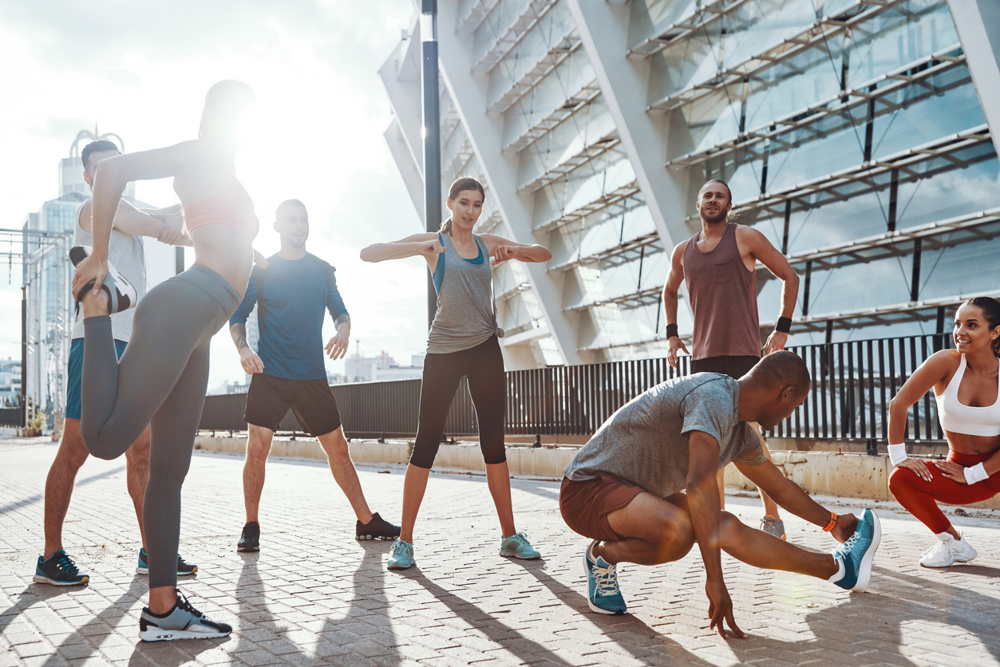
Houston’s active community of runners, triathletes, CrossFit athletes, and recreational sports players has driven rapid growth in sports recovery and rehabilitation services across the city. From specialized sports medicine clinics and physical therapy centers to modern recovery lounges offering cryotherapy, infrared sauna therapy, and compression recovery, athletes in Houston have access to a wide range of tools designed to support training, injury prevention, and rehabilitation.
Many of these facilities serve everyone from elite athletes and marathon runners to weekend warriors recovering from overuse injuries. While advanced technologies such as anti-gravity treadmills, aquatic therapy, and compression therapy can help support recovery, outcomes vary depending on injury severity, training habits, and proper medical supervision.
The guide below highlights several well-known Houston recovery centers and athlete services that support performance, rehabilitation, and long-term mobility.
Houston’s Growing Running Community
Houston has one of the most active running communities in Texas, supported by major races, year-round training groups, and hundreds of miles of urban trails. Signature events like the Chevron Houston Marathon, Aramco Houston Half Marathon, and the Bayou City 10K attract tens of thousands of runners each year, bringing elite athletes and recreational runners together in one of the largest race weekends in the United States.
The city’s extensive running routes—including the Buffalo Bayou trails, Memorial Park running loop, and Terry Hershey Park trail system—allow athletes to train year-round. Houston’s warm climate and long race calendar also mean many runners maintain consistent training cycles, increasing the need for injury prevention, recovery services, and sports medicine support.
As participation in endurance sports grows, specialized recovery centers and sports medicine facilities have expanded throughout the city to support distance runners, triathletes, cyclists, and competitive amateur athletes.
What to Look for in a Houston Recovery Facility for Athletes
Choosing the right recovery facility can make a meaningful difference in an athlete’s rehabilitation and performance. Many of Houston’s leading sports recovery centers combine licensed physical therapists, sports medicine physicians, and performance specialists to provide coordinated treatment plans.
Athletes often benefit from facilities that offer services such as:
- Sports physical therapy and injury rehabilitation
- Manual therapy and mobility training
- Strength and conditioning for return-to-sport programs
- Compression therapy and recovery tools
- Running gait analysis or functional movement screening
Advanced equipment may include underwater treadmills, anti-gravity treadmills, and aquatic therapy pools, which allow injured athletes to continue training while reducing joint impact. These tools are particularly useful for runners recovering from stress injuries, tendonitis, or post-surgical rehabilitation.
Equally important is access to sport-specific rehabilitation plans, which help athletes safely transition back into training after injury.
Houston Cryotherapy and Contrast Therapy Centers for Sports Recovery
Cryotherapy and contrast therapy have become popular recovery tools for athletes looking to reduce muscle soreness and inflammation following intense training sessions. Houston offers several wellness centers where athletes can access these services alongside other recovery modalities.
Notable facilities include:
| Facility | Location |
| Restore Hyper Wellness | River Oaks and multiple Houston locations |
| Clinic 59 Cryo | 8800 Jameel Rd, Houston |
| Wellness Revolution Texas | Katy, Texas |
Whole-body cryotherapy sessions typically last two to three minutes, exposing the body to extremely cold temperatures in a controlled chamber. The treatment is often used by athletes as part of a recovery routine following intense training or competition.
Many of these facilities also offer contrast therapy, which alternates between cold exposure and heat treatments such as infrared saunas. These sessions are designed to support circulation and recovery following strenuous workouts.
While some athletes report benefits such as reduced soreness and quicker recovery, research results remain mixed, and these treatments are best used as complements to proper training, rest, and medical guidance.
Physical Therapy Clinics Specializing in ACL, Running, and Sport-Specific Rehab
Houston is home to numerous physical therapy and orthopedic centers that specialize in sports injuries, ACL rehabilitation, and return-to-sport training.
One of the most recognized institutions is The University of Texas Health Science Center’s Memorial Hermann Rockets Sports Medicine Institute, which provides comprehensive sports medicine services including injury diagnosis, surgical treatment, and rehabilitation programs for athletes of all levels.
Another well-known orthopedic provider is the Sanders Clinic for Orthopedic Surgery and Sports Medicine, which has served Houston athletes for decades. The clinic focuses on orthopedic surgery and post-operative rehabilitation, particularly for knee, shoulder, and ligament injuries.
Houston athletes also commonly work with physical therapy groups such as:
- Pinnacle Physical Therapy
- Houston Methodist Sports Medicine
- Advanced Orthopaedics & Sports Medicine
These clinics provide services such as running injury treatment, post-surgical rehabilitation, mobility work, and strength progression programs that help athletes safely return to competition.
Running-Specific Recovery Services in Houston
Many recovery facilities in Houston now offer services designed specifically for runners. These programs often combine gait analysis, injury screening, strength training, and rehabilitation exercises to address common running injuries such as plantar fasciitis, IT band syndrome, and stress fractures.
One widely used resource is Fleet Feet Houston, a specialty running retailer with several locations across the city. In addition to footwear fitting, Fleet Feet offers running gait analysis and stride assessments that help runners identify inefficient mechanics or shoe mismatches that may contribute to injury.
Another major institution supporting endurance athletes is the Houston Methodist Ironman Sports Medicine Institute, located in the Texas Medical Center. The institute provides sports performance testing, running biomechanics analysis, injury treatment, and return-to-sport rehabilitation. The facility works with athletes of all levels, from recreational runners to elite competitors.
These runner-focused services help athletes correct training imbalances, improve efficiency, and reduce the likelihood of recurring injuries.
Houston Recovery Lounges With Infrared Saunas and Assisted Stretching
In addition to medical clinics, Houston has seen the growth of recovery lounges designed for athletes who want to supplement their training with relaxation-focused recovery tools.
Examples include:
| Facility | Location | Recovery Amenities |
| CORE Recovery Lounge | Katy | Infrared sauna, compression therapy, stretching |
| SolCore Wellness | Cypress | Assisted stretching, sauna therapy |
| Löyly Sauna Lounge | Houston | Sauna sessions, cold plunge |
| Restore Hyper Wellness | Multiple Houston locations | Cryotherapy, IV therapy, compression |
These facilities often provide services such as NormaTec compression boots, cold plunges, infrared sauna sessions, and assisted stretching. Many runners incorporate these treatments into training cycles to manage delayed onset muscle soreness (DOMS) and maintain flexibility during high-mileage weeks.
Although recovery lounges do not replace medical treatment, they can serve as useful additions to a balanced training and recovery program.
Athletic Performance and Injury-Prevention Training
In addition to rehabilitation clinics, Houston athletes often train at performance centers focused on strength development, mobility training, and injury prevention. These facilities help runners and athletes improve stability, balance, and muscular endurance—factors that play a critical role in reducing injury risk.
Many performance gyms integrate sports science testing, strength programming, and movement assessments into training plans. Athletes commonly work with certified strength and conditioning coaches who develop customized programs that support endurance sports and competitive athletics.
Training programs frequently include:
- Functional strength training
- Mobility and flexibility work
- Core stabilization
- Plyometric and agility training
These programs help runners maintain proper biomechanics and build the supporting muscle strength needed to withstand long training cycles.
Blood Flow Restriction Training and Movement Screening Services in Houston
Blood Flow Restriction (BFR) training has become increasingly common in rehabilitation and performance programs. The technique uses specialized cuffs placed around the limbs to partially restrict blood flow while performing low-load exercises.
By combining light resistance with controlled restriction, BFR training can stimulate muscle growth and strength gains similar to heavier training loads. This approach is often used during post-surgical rehabilitation or injury recovery, when traditional strength training may place too much stress on healing tissues.
In Houston, BFR training is typically offered by licensed physical therapists and sports performance facilities that integrate it into broader rehabilitation programs. Movement screening services—such as functional movement assessments and running gait analysis—are also commonly used to identify mobility limitations that may contribute to injury risk.
Athletes with certain medical conditions, including vascular disorders or clotting issues, should consult medical professionals before using BFR training.
Matching Your Sport and Injury Type to the Right Houston Facility
Different sports place unique demands on the body, which means recovery strategies should match the specific injury and activity involved.
Distance runners dealing with issues such as plantar fasciitis, IT band syndrome, or shin splints often benefit from running-specific physical therapy, gait analysis, and low-impact cross-training options such as aquatic treadmills.
Athletes recovering from shoulder injuries, rotator cuff strains, or throwing injuries may require structured rehabilitation programs with progressive strength training and mobility restoration.
For more complex injuries—including concussions or ligament damage—major institutions such as Memorial Hermann Rockets Sports Medicine Institute and Houston Methodist Sports Medicine provide multidisciplinary care that includes imaging, orthopedic specialists, and physical therapy teams.
Pay attention to persistent pain, joint stiffness, or recurring muscle tightness lasting several days after training. These symptoms often signal the need for professional evaluation before returning to high-intensity activity.