Best Recovery Tips for Travelers Exploring Texas on Foot
Exploring Texas cities, parks, and historic districts often means long walks in warm weather. Whether you are hiking in a state park, touring a downtown district, or visiting outdoor attractions, proper recovery habits help you stay energized and avoid heat-related fatigue.
Simple strategies such as hydrating regularly, taking breaks in shaded areas, eating salty snacks, and recognizing early signs of heat stress can make a big difference during a full day outdoors. These practical tips help travelers recover faster and continue exploring comfortably.
Hike With a Partner Who Can Spot Heat Illness Early
When exploring outdoor trails in Texas, hiking with a companion adds an important layer of safety. A partner can help identify early symptoms of heat exhaustion or dehydration that you might not immediately recognize.
Common warning signs include dizziness, nausea, heavy sweating, muscle cramps, headache, or unusual fatigue. In more serious cases, people may experience confusion or difficulty concentrating.
If these symptoms appear, hikers should move to a shaded or air-conditioned area, drink water slowly, and rest until symptoms improve. Having someone nearby makes it easier to monitor symptoms and respond quickly if conditions worsen.
Travelers exploring unfamiliar trails or remote parks should also inform someone else of their route and expected return time.
Plan Your Texas Walking Route Around the Heat
Planning ahead is one of the best ways to avoid heat stress when exploring Texas on foot.
The most comfortable times for outdoor walking are typically early morning or late evening, when temperatures are significantly cooler than midday. In many parts of Texas, afternoon temperatures can be 10–20°F higher than early morning conditions, especially during summer.
Visitors should also look for routes that include shade, tree cover, or indoor stops, such as museums, cafés, or visitor centers. Urban walking routes in cities like Dallas, Austin, or San Antonio often provide these natural break points.
Shorter routes and gradual pacing can also help reduce fatigue during hot-weather travel.
Cooling Gear That Helps Travelers Stay Comfortable
Texas heat can make outdoor sightseeing more demanding, especially during summer months. Packing a few lightweight cooling items can make walking much more comfortable.
A cooling towel is one of the simplest tools for lowering body temperature. When soaked in water and placed around the neck, it can provide quick relief during hot conditions.
Wearing breathable, moisture-wicking clothing also helps regulate body temperature. Lightweight fabrics allow sweat to evaporate more efficiently, reducing the risk of overheating.
Sun protection is equally important. A wide-brim hat, sunglasses, and sunscreen can help protect against prolonged sun exposure while walking outdoors.
These simple items help travelers stay cooler and extend the amount of time they can comfortably explore outdoor destinations.
Drink Water Consistently Throughout Your Walk
Hydration is one of the most important factors for staying comfortable while walking outdoors in Texas.
A helpful guideline for moderate outdoor activity is to drink small amounts of water every 15–20 minutes, rather than waiting until you feel thirsty. Travelers who plan to walk for several hours should carry a refillable water bottle or hydration pack.
During hot weather or extended hikes, adding electrolyte drinks or salty snacks can help replace minerals lost through sweating.
Pay attention to signs of dehydration such as dark urine, dry mouth, headache, or fatigue, and take a break if these symptoms appear.
Take Regular Breaks to Prevent Muscle Fatigue
Long walking days can cause muscle fatigue, especially for travelers who are not used to covering several miles on foot.
Taking short breaks every 45–60 minutes allows muscles to recover and helps prevent soreness later in the day. These breaks are also good opportunities to hydrate, stretch, and cool down.
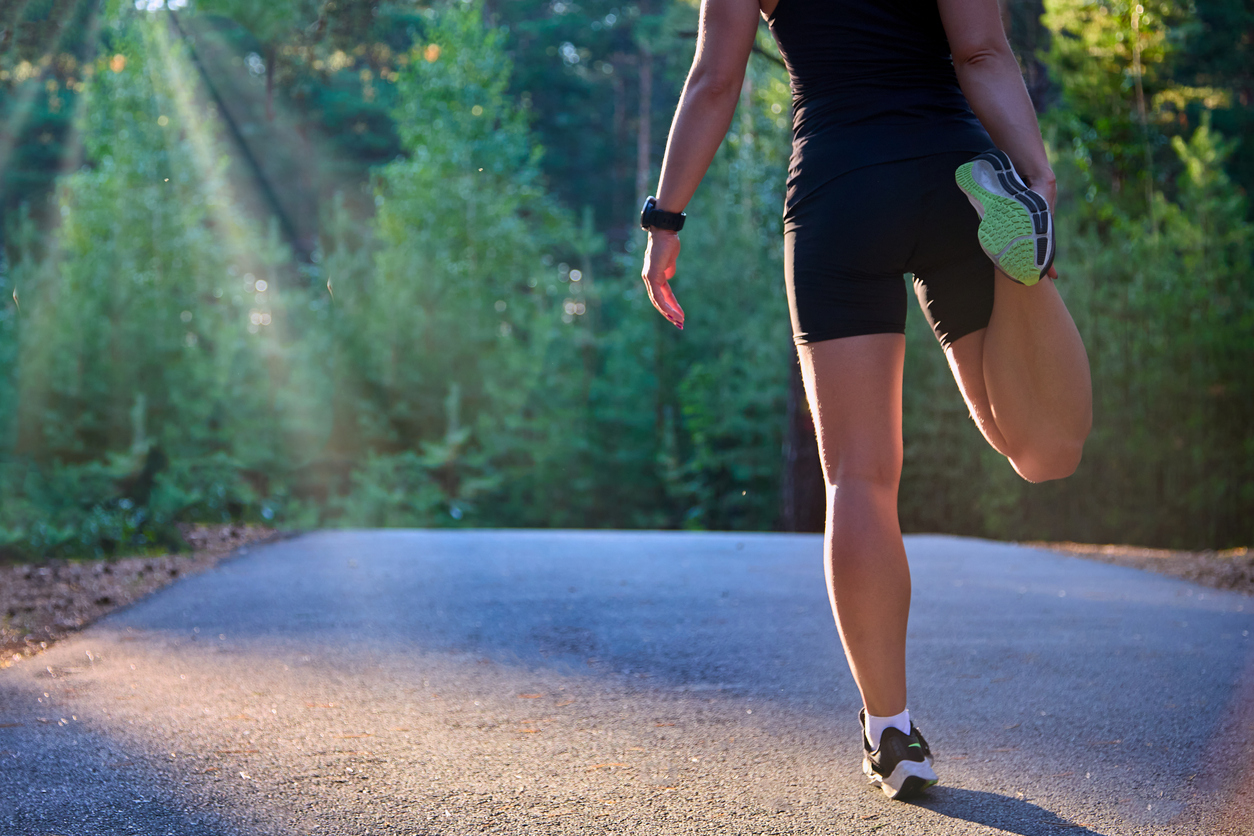
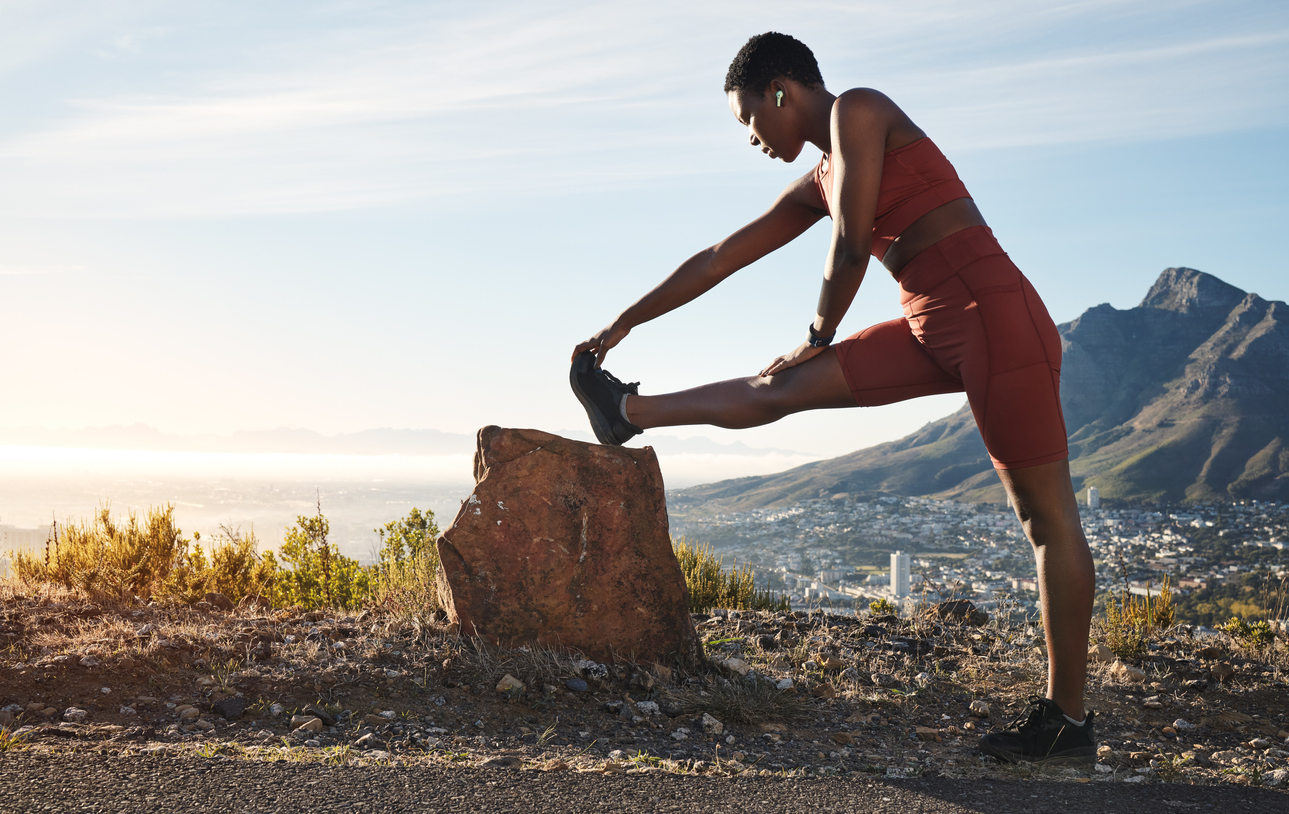
Light stretching of the calves, hamstrings, and hips can reduce stiffness after long walks. Gentle movement during breaks, such as slow walking or stretching, can help maintain circulation and reduce muscle tightness.
These recovery habits help travelers stay comfortable while exploring cities, parks, and historic districts.
Post-Walk Recovery Strategies After Long Days of Exploring
After a full day of walking through parks, downtown districts, or historic attractions, simple recovery habits can help travelers feel refreshed the next morning.
Start with gentle stretching of the calves, hamstrings, quadriceps, and hip flexors. These muscles absorb most of the strain during long walking days. Holding each stretch for 20–30 seconds can help reduce tightness and improve circulation.
Hydration is equally important after extended sightseeing. Drinking water or electrolyte beverages within an hour after finishing a long walk helps replace fluids lost through sweating.
If your feet feel sore, elevating your legs for a short time or using a cold compress on tired muscles can help reduce swelling and discomfort. Many travelers also benefit from changing into comfortable footwear or sandals once the day’s walking is finished.
These simple recovery steps help prevent soreness and allow you to enjoy the next day’s activities with less fatigue.
Pack Salty Snacks to Replace Electrolytes
Sweating during outdoor activity causes the body to lose electrolytes such as sodium and potassium, which help regulate muscle function and hydration.
Packing small snacks like nuts, pretzels, trail mix, or jerky can help replace these minerals during longer walks or hikes.
Eating small portions throughout the day helps maintain energy levels and prevents fatigue caused by low electrolyte levels.
Travelers who plan to spend several hours outdoors should combine these snacks with regular water intake for the best hydration balance.
Foot Care and Blister Prevention for Travelers
Walking several miles a day while sightseeing can place significant stress on your feet. Proper foot care helps prevent blisters and discomfort during extended travel days.
Start with well-fitting walking shoes that provide cushioning and support. Lightweight athletic shoes or trail shoes are often more comfortable than brand-new footwear that has not been broken in.
Moisture-wicking socks help reduce friction and keep feet dry in Texas heat. Some travelers also carry blister bandages or athletic tape in case hotspots begin to form during long walks.
Taking short breaks to remove shoes and let your feet cool down can also reduce irritation. These small preventative steps can make a big difference when exploring cities or parks on foot.
Identify Cooling Stops Along Your Route
When exploring Texas cities or parks during hot weather, it helps to identify places where you can cool down.
Cooling stops may include visitor centers, museums, libraries, shopping centers, cafés, or public recreation centers with air-conditioned indoor spaces.
Urban areas often provide many options for cooling breaks. For example, downtown districts in cities like Dallas, Houston, Austin, and San Antonio have indoor attractions within short walking distances.
Planning these stops ahead of time helps prevent overheating and makes long walking days more enjoyable.
Recovery-Friendly Foods and Hydration Stops
Finding places to refuel during the day can help travelers maintain energy while exploring Texas on foot.
Many parks and city districts offer convenient stops such as cafés, food trucks, visitor centers, and park concessions where travelers can purchase drinks and snacks.
Recovery-friendly options include foods that provide hydration, electrolytes, and carbohydrates, such as fruit, smoothies, sandwiches, or light meals. Fresh fruit and electrolyte drinks are especially helpful for replenishing fluids after time outdoors.
Urban areas like downtown Dallas, Houston’s Museum District, or Austin’s downtown parks often have restaurants and cafés within walking distance of major attractions. Planning a stop for food and hydration during the middle of a walking day can help restore energy and prevent fatigue.
These breaks also give travelers an opportunity to rest in shaded or air-conditioned spaces before continuing their day.